
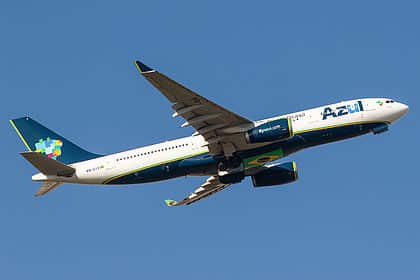
On May 28, 2025, Azul Brazilian Airlines filed for Chapter 11 bankruptcy protection in the United States, aiming to restructure its substantial debt and secure its future operations. The São Paulo-based carrier, founded in 2008 by JetBlue’s David Neeleman, has faced mounting financial challenges, including the aftermath of the COVID-19 pandemic, macroeconomic difficulties, and aviation supply-chain disruptions. Azul’s debt has surged to approximately $9.6 billion since 2019.
Despite the bankruptcy filing, Azul intends to continue its operations uninterrupted, maintaining its 900 daily flights to 137 destinations, including international routes. The airline has secured $1.6 billion in debtor-in-possession financing to support its operations during the restructuring process. Additionally, Azul has proposed a restructuring plan that aims to reduce its debt by over $2 billion, largely by converting it into equity. The plan includes up to $950 million in potential equity financing from existing bondholders and strategic partners, including American Airlines and United Airlines, which may jointly invest between $200 million and $300 million.
For passengers, Azul has emphasized that flights will operate as scheduled, and customer services will remain unaffected. The airline’s CEO, John Rodgerson, stated, “Azul continues to fly – today, tomorrow, and into the future.” The restructuring is seen as a proactive move to optimize the company’s capital structure and ensure long-term sustainability.
Azul’s filing follows similar actions by other Latin American carriers, such as GOL, LATAM Airlines, and Aeromexico, highlighting the ongoing challenges faced by the region’s aviation industry. The airline’s ability to secure significant financing and support from major stakeholders suggests a strategic approach to emerge stronger from the restructuring process.